Certified wood options
Wooden or paper-based components can use FSC-certified sources where the design allows it. The value is simple: families see a clearer connection between material origin and play quality.
Mattel approaches sustainability as a practical design discipline: choose better inputs where they make sense, reduce unnecessary packaging, avoid vague claims and keep toys useful long after the first purchase. In role-play collectibles, building sets and plush companions, the responsible choice is not only about the material. It is also about whether the product stays loved, rebuilt, displayed or passed along.
This page follows the minimal-efficient persona. It does not turn sustainability into a decorative story. It shows the material bands, commitments and sourcing checks that help families and planning teams understand what is changing and why it matters for modern toy assortments.
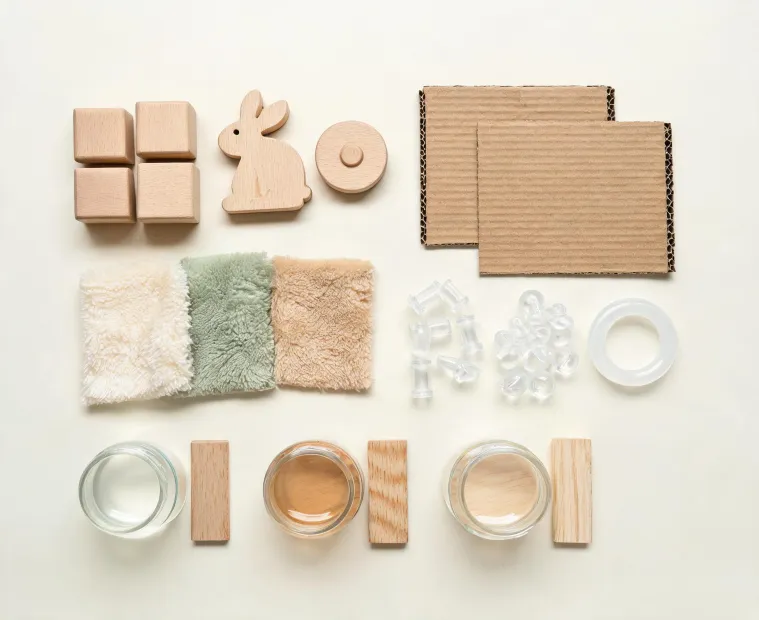
Responsible toy communication works best when each claim has a visible job. FSC wood supports renewable sourcing for suitable components. Recycled paperboard reduces pressure in packaging. BPA-free and non-toxic material choices support safer interaction for age-appropriate play.
Wooden or paper-based components can use FSC-certified sources where the design allows it. The value is simple: families see a clearer connection between material origin and play quality.
Packaging is reviewed for lower waste, better board use and easier disposal. The aim is to protect the toy while cutting excess layers that do not improve the play experience.
Finishes, coatings and surface treatments are evaluated for child-facing use. Clear wording matters because caregivers should not need technical training to understand a safer material note.
Each category page should help visitors see where FSC wood, BPA-free components, recycled board or durable construction is relevant. The objective is clarity, not a larger badge collection.
Packaging review focuses on protection, shipment and shelf communication. Elements that add waste without improving those jobs can be redesigned, reduced or removed.
A toy with a longer useful life reduces replacement pressure. Mattel sustainability work therefore includes product durability, recognizable play patterns and collections that stay meaningful beyond one short trend.
Responsible sourcing is strongest when it is part of the buying question, not an afterthought. A product team can ask whether the toy uses wood, textile, plastic or mixed materials; whether packaging is recyclable or reduced; whether the item has age-grade clarity; and whether the play pattern encourages repeat use.
Those questions are intentionally plain. They help separate meaningful sustainability context from decorative language. When a product is mainly collectible, the long-life factor may be display value and durability. When a product is a building set, the long-life factor may be rebuild potential. When a product is plush, the focus may be textile feel, stitching, care and emotional attachment.
Send a concise note about the category, age stage or launch plan, and include the material or packaging topic your team needs to understand.
Contact Mattel