Assortment support

Mattel Services for Clearer Toy Decisions

Mattel helps retail, licensing and product teams translate a broad toy catalog into a smaller set of choices that fit the buyer, the shelf and the family moment. The service model is deliberately lean: define the play stage, confirm the category role, review safety expectations, then prepare a practical assortment path. That rhythm keeps collectible figures, building sets and plush companions easy to compare without burying the team in decorative claims.

For a minimal operation, the best service is one that removes noise. A seasonal launch may need character-led figure depth, a gift program may need soft plush anchors, and a construction-focused shelf may need repeatable build value. Mattel organizes those questions into short working notes so planners can move from interest to next action with less friction.

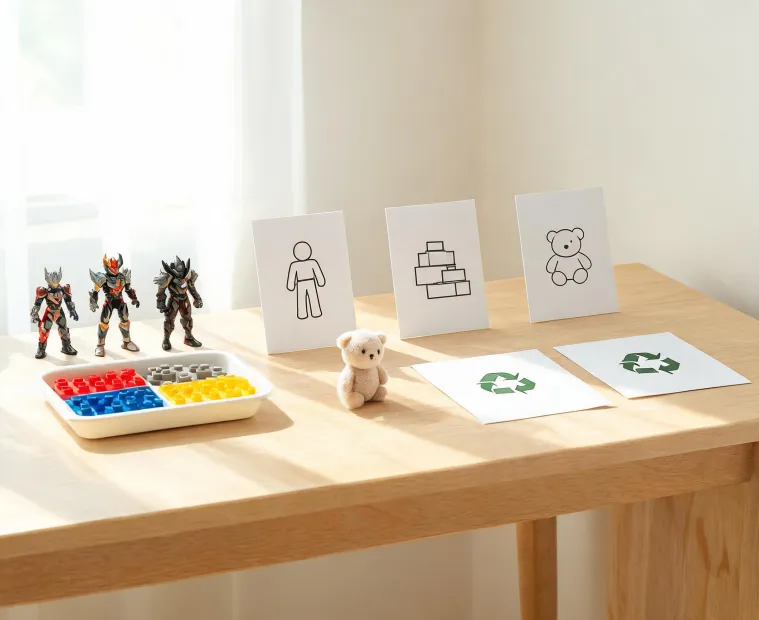
Toy planning desk with category cards and sample products
Two-column guidance

What the service covers

The process stays close to real toy-buying work: what age is this for, what kind of play does it support, how will a caregiver understand it, and what documentation does the team need before moving forward?

01

Category and stage mapping

Mattel reviews the intended age range, play pattern and purchase moment, then groups role-play, construction and plush products into a cleaner decision set. That prevents a broad catalog from turning into a flat list and helps the team explain why each item belongs in the assortment.

02

Safety and material notes

Teams can request concise information about age grading, small-parts discipline, BPA-free materials, FSC wood options and packaging choices. The goal is not a heavy certification wall; it is a usable summary that supports parent-facing confidence and internal review.

03

Seasonal retail alignment

Holiday windows, birthday gifting, franchise moments and back-to-school play patterns each need a different mix. Mattel can help translate those moments into a short product sequence that is easier to merchandise, brief and update.

04

Inquiry follow-through

After a team identifies a product group, the next step is a focused inquiry rather than a broad quote form. The response can address availability, catalog fit, image needs, material context or a narrower recommendation for the requested shelf plan.

Common questions

Quick answers before you send a brief

Yes. A mixed list is usually refined by play stage, product role and gift timing. Collectible figures may carry story value, building sets may support creative repeat play, and plush items may anchor comfort or character recognition. The recommended path depends on the intended shopper and the shelf space.

The most useful request includes target age, market, approximate launch window, preferred product family and any safety or sustainability question already raised by the team. A short brief is enough; the response can then focus on the highest-value next detail.

The website supports both paths. Retail and product teams often need assortment context, while family buyers need easier category navigation. The same category logic keeps both experiences consistent without using industrial language that does not fit toys.

Before

A long toy catalog can force buyers to compare items that do not belong in the same decision. Character figures, foam construction play and plush friends serve different needs, yet they often appear together without stage, occasion or material context.

  • Too many similar product names
  • Unclear age-stage fit
  • Safety notes separated from planning

After

A guided Mattel view turns the same range into a manageable set of play roles. The team sees why a collectible item, a building set or a plush companion earns its place, then uses the inquiry step only for the details still needed.

  • Products grouped by play purpose
  • Cleaner path from browse to inquiry
  • Material and packaging context in plain language
Send a focused request

Tell Mattel which play moment you need to solve.

Use the form to describe an assortment, age range, character theme or sustainability question. A concise request helps keep the response specific.